




The Art of Selection: How to Choose the Perfect Crystal Whiskey Glass
For the connoisseur, the experience of drinking whiskey is a ritual that engages all five senses. While the liquid in the bottle is undoubtedly the star of the show, the vessel from which you drink it plays a crucial supporting role. A fine whiskey deserves a fine glass, and when it comes to quality, nothing compares to crystal. However, navigating the world of crystal whiskey glasses—often referred to as "tumblers" or "Glencairns"—can be daunting. Beyond the glittering facade, factors like material composition, manufacturing method, design geometry, and intended use determine whether a glass is merely decorative or a true tool for enhancing your dram.
Here is a comprehensive guide to selecting the perfect crystal whiskey glass.
1. Understanding the Material: Lead Crystal vs. Lead-Free Crystal
The first distinction to make is what your glass is actually made of. The term "crystal" is often misused in the retail space. True crystal is defined by its lead content, though modern alternatives have emerged.
Lead Crystal
Traditional lead crystal contains a minimum of 24% lead oxide. This chemical composition serves two major purposes: refraction and weight. Lead oxide increases the density of the glass, allowing it to bend light more dramatically. This results in the signature "ring" you hear when you flick the rim—a clear, bell-like resonance. It also makes the glass softer to cut, allowing artisans to create intricate, sharp facets. However, there is a long-standing debate about leaching. While the risk is minimal for serving whiskey (as alcohol does not leach lead as quickly as acidic liquids like wine or juice), many modern purists prefer to avoid lead entirely for everyday use.
Lead-Free Crystal
Often referred to as "crystalline," this modern alternative replaces lead oxide with other oxides like zinc or titanium. High-end European brands like Riedel and Schott Zwiesel utilize these formulas. Lead-free crystal offers several advantages: it is significantly more durable and chip-resistant than traditional lead crystal, and it is typically dishwasher-safe (though hand-washing is always recommended for premium barware). While the "ring" may be slightly different—often described as a higher-pitched chime rather than a deep hum—the optical clarity and brilliance of high-quality lead-free crystal are virtually indistinguishable from the real thing.
2. The Manufacturing Dichotomy: Machine-Made vs. Hand-Blown
The price of a whiskey glass often correlates directly with how it was made.
Machine-Made (Molded)
These are produced in mass quantities using molds. The result is a perfectly uniform product. Machine-made crystal is usually heavier, with thicker walls. While it is durable and affordable, the thickness of the rim can detract from the drinking experience. A thick rim feels clumsy on the lips compared to a thin, precision-cut edge. However, for high-volume bars or outdoor use, machine-made crystal offers the best resilience.
Hand-Blown and Hand-Cut
This is where the art of glassmaking shines. A master glassblower shapes the bowl, while skilled artisans cut the facets by hand using rotating stone wheels. Hand-blown glasses are lighter, with a finer rim that feels almost imperceptible against the mouth. They often contain tiny, natural imperfections—such as micro-bubbles or slight variations in thickness—which connoisseurs consider marks of authenticity rather than flaws. The weight distribution is also superior; a hand-blown glass feels balanced in the hand, neither bottom-heavy nor top-heavy.
3. The Geometry: Matching Glass to Whiskey
Not all whiskey glasses are created equal. The shape dictates how the spirit interacts with your nose and palate. Selecting the wrong shape can mute the aroma of a complex whiskey.
The Tumbler (Old Fashioned / Rocks Glass)
This is the classic short, stout glass. It is ideal for serving whiskey "on the rocks" (with ice) or for cocktails like the Old Fashioned. The wide mouth allows you to fit large ice spheres or cubes. However, from a nosing perspective, the tumbler is the least effective. The wide opening allows volatile aromatic compounds to dissipate quickly. If you are drinking a very rare, delicate single malt neat, this is generally not the optimal vessel.
The Glencairn Glass
Developed in Scotland, this is the industry standard for whiskey tasting. It features a short stem, a wide bowl that tapers into a narrow rim. This design traps the aromas—the "nose"—concentrating them at the opening for a more intense olfactory experience. If you are selecting a glass for neat sipping (no ice), the Glencairn is the superior choice. Many high-end crystal makers produce their own interpretations of this shape.
The Copita / Norlan Glass
The Copita is a stemmed glass, similar to a sherry glass, which prevents heat from your hand from warming the whiskey too quickly. The Norlan glass is a modern hybrid—a double-walled design with a black outer shell and a thin inner mouth—designed to combine the nosing ability of a Glencairn with the hand-feel of a tumbler.
4. Cut, Clarity, and Aesthetics
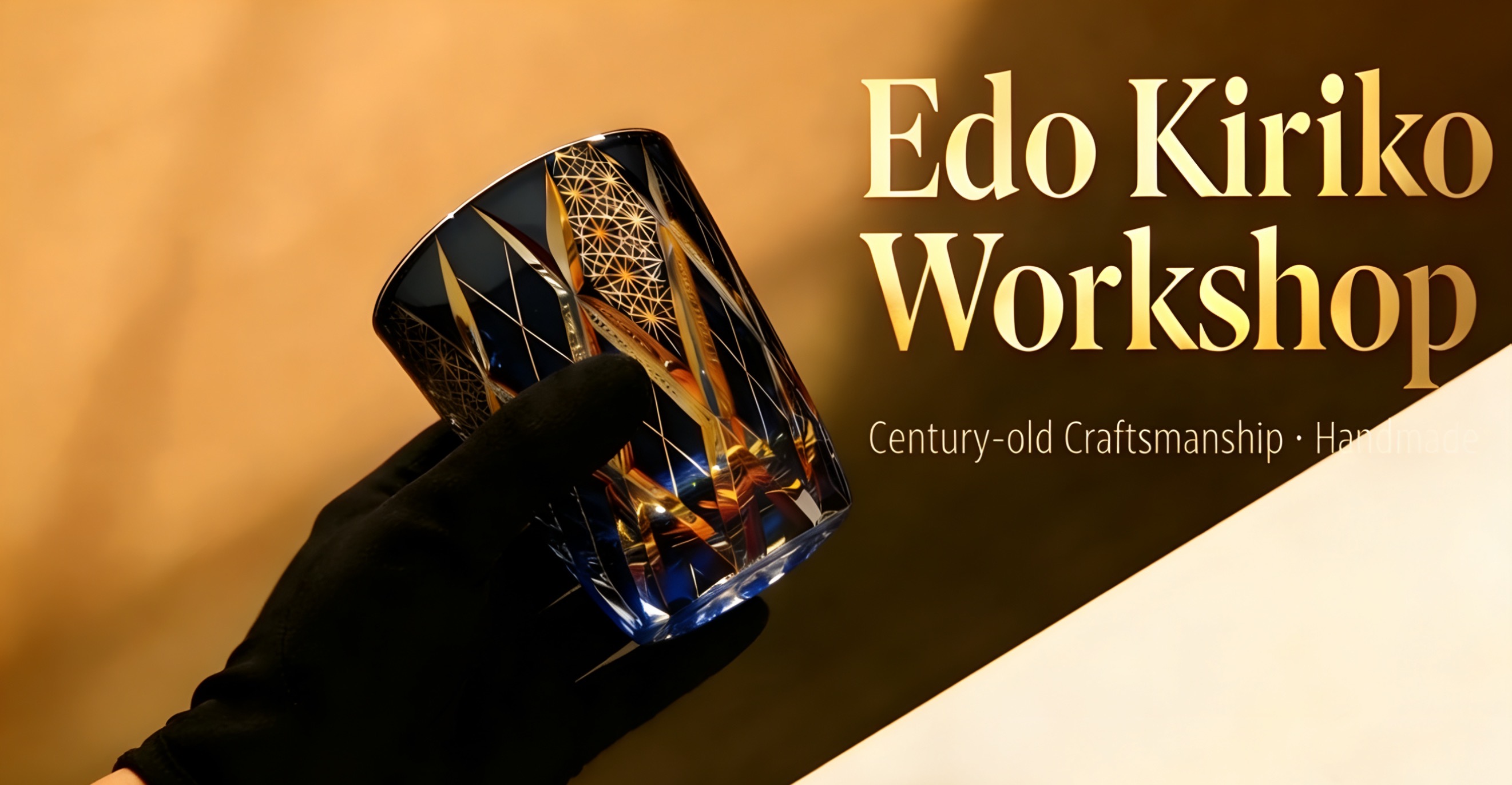
The visual appeal of crystal is defined by its cut. When examining a glass, look at the rim. A premium glass will have a polished rim—smooth, rounded, and free of sharp edges. Run your finger along the rim to check for smoothness.
Consider the facets. Heavy cut crystal patterns (such as diamond, star, or hobstar cuts) do more than just look beautiful; they provide grip. A heavily cut glass is less likely to slip in your hand when condensation forms from ice. If you prefer to focus on the color of the whiskey (the "legs" or "tears" running down the side), a plain, non-faceted crystal allows for the cleanest visual inspection of the liquid’s viscosity and hue.
5. Brand Heritage and Budget
Your budget will ultimately dictate your options.
- Entry Level: Brands like Spiegelau and Schott Zwiesel offer durable, high-quality lead-free crystal that is often dishwasher safe. They provide excellent clarity and are thin enough for a pleasant drinking experience.
- Mid-Tier: Waterford is the quintessential name in traditional lead crystal. Known for their deep, intricate cuts (such as the iconic Lismore pattern), Waterford glasses are heavy, luxurious, and collectible. They are best reserved for special occasions due to their weight and lead content.
- High-End/Artisanal: Brands like Baccarat, Saint-Louis, or independent Japanese artisans produce hand-blown masterpieces. These are often mouth-blown and feature exceptionally thin walls. They represent the pinnacle of the craft but come with a price tag that reflects the hours of labor involved.
Conclusion
Choosing a crystal whiskey glass is a balancing act between science and art. For the purist looking to evaluate a $200 bottle of single malt, a lead-free, hand-blown Glencairn or Copita with a thin rim is the logical choice to maximize nosing and taste. For the entertainer who enjoys a robust bourbon with a large ice cube, a heavy, cut-lead crystal tumbler offers the perfect weight, aesthetic flair, and durability.
Ultimately, the right glass is the one that feels right in your hand and elevates your personal drinking ritual. By paying attention to the material, the manufacturing method, and the shape, you can ensure that the vessel you choose honors the spirit it holds.