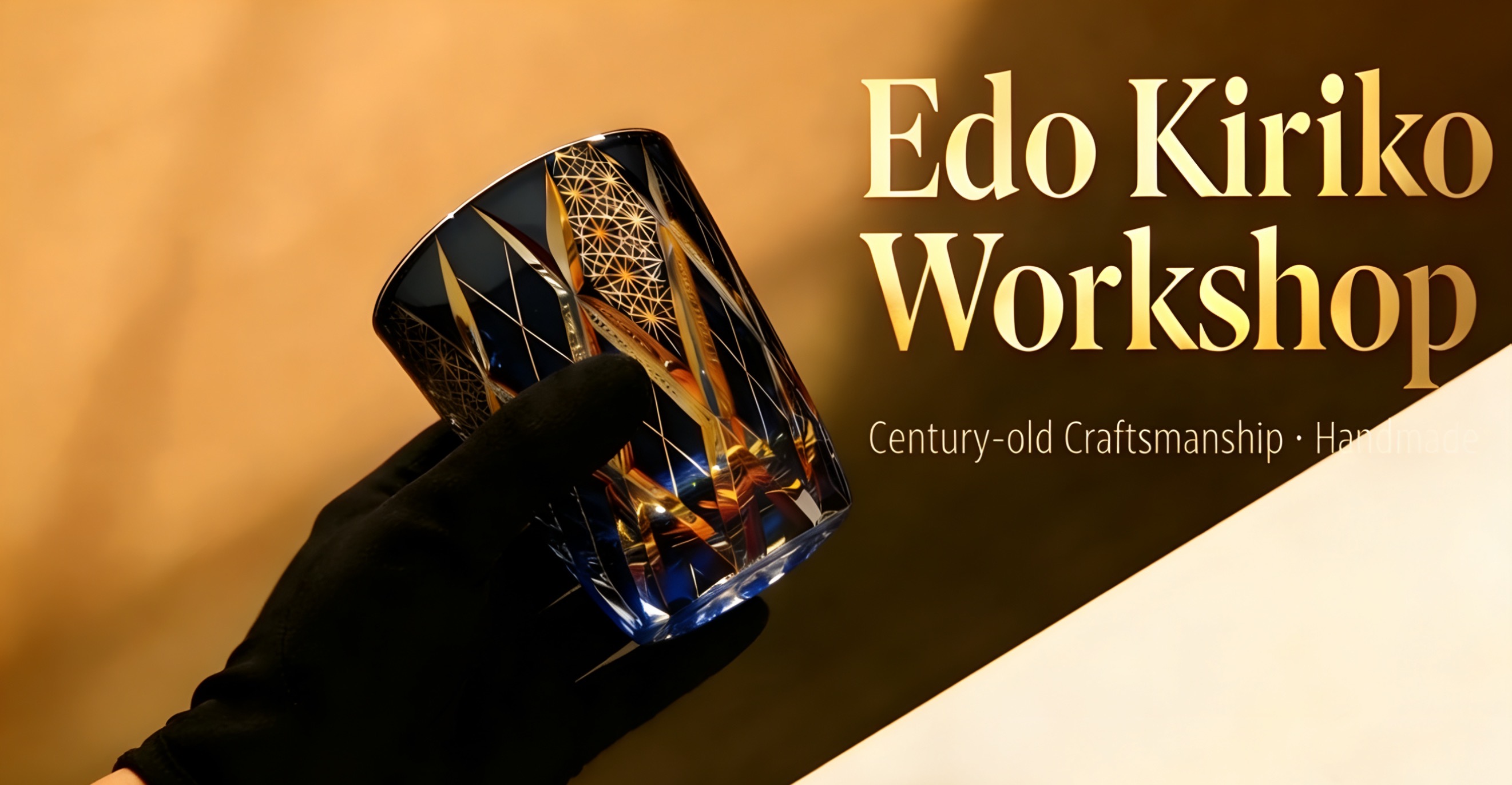





Beyond the Surface: Crystal Whiskey Glasses vs. Ordinary Glass
For many, a whiskey glass is simply a vessel—a functional object meant to hold liquid. But to the discerning drinker, the glass is an integral part of the experience, capable of elevating a simple pour into a ritual. At the heart of this distinction lies the choice between an ordinary glass and a crystal whiskey glass. While they may appear similar at first glance, the differences in material, craftsmanship, and sensory impact are profound.
1. Composition: The Foundation of Difference
The most fundamental difference lies in what the glass is made of. Ordinary glass—often called soda-lime glass—is composed of silica (sand), soda ash, and limestone. It is inexpensive to produce, durable in a utilitarian sense, and perfectly adequate for everyday use. However, it lacks the molecular structure that gives crystal its special properties.
Crystal, by contrast, incorporates additional oxides. Traditional lead crystal contains at least 24% lead oxide, while modern lead-free crystal uses oxides such as barium, titanium, or zinc. These additives alter the glass at a molecular level, creating a denser, more uniform structure. This density is the starting point for every other advantage crystal holds over ordinary glass.
2. Optical Clarity and Brilliance
Hold an ordinary whiskey glass up to the light, then do the same with a crystal glass. The difference is immediately apparent. Ordinary glass typically has a slight green or blue tint, especially noticeable at the edges, due to iron impurities in the sand. Crystal, particularly high-grade lead-free crystal, achieves near-perfect transparency. It allows light to pass through with minimal distortion, revealing the whiskey’s true color—from pale straw to deep mahogany—with stunning accuracy.
Beyond clarity, crystal possesses superior refraction. The added oxides bend light more effectively, creating a prismatic effect that makes the glass sparkle. This brilliance is not merely decorative; it enhances the visual appreciation of the whiskey, allowing the drinker to observe the “legs” or “tears” as they slowly descend the bowl—a key visual cue for viscosity and body.
3. The Ring: A Sonic Signature
One of the most celebrated differences is the sound. Gently flick the rim of an ordinary glass, and you will hear a dull thud or a short, flat note. Do the same with a crystal whiskey glass, and you are rewarded with a clear, bell-like ring that lingers in the air. This resonance is a direct result of crystal’s molecular density and uniformity. The sound is not merely a party trick; it speaks to the quality of the material and adds an auditory layer to the drinking ritual—a moment of anticipation before the first sip.
4. Tactile Experience: Weight, Thinness, and Balance
Crystal allows glassmakers to achieve what is nearly impossible with ordinary glass: exceptional thinness without fragility. A fine crystal whiskey glass features a rim that is remarkably thin and smooth, almost imperceptible against the lips. This thinness allows the whiskey to flow onto the palate without interruption, whereas a thicker ordinary glass rim can feel clumsy and distract from the liquid itself.
Despite the thinness, crystal often feels more substantial in the hand. This is because crystal is denser than soda-lime glass; a crystal glass of the same size will typically weigh more. However, the weight is usually well-balanced, giving the glass a sense of presence without being unwieldy. Ordinary glasses, especially inexpensive ones, can feel either too light and flimsy or awkwardly heavy due to thick, uneven walls.
5. Craftsmanship and Aesthetics
Ordinary glasses are almost exclusively machine-made. They are pressed into molds, resulting in uniform but often unrefined products. Seams from the mold may be visible, and the rim is frequently left unfinished or simply fire-polished, which can leave a slightly rounded but still thick edge.
Crystal whiskey glasses, particularly those of high quality, often involve a greater degree of craftsmanship. Many are mouth-blown and hand-cut. This allows for intricate patterns—diamond cuts, star motifs, or delicate etching—that are not only beautiful but also functional, providing a better grip when condensation forms from ice. Even machine-made crystal glasses are typically finished with greater care, including precision-cut rims that are polished to a smooth, comfortable edge.
6. Durability and Maintenance
There is a common misconception that crystal is fragile. Traditional lead crystal is indeed softer and more prone to scratching and clouding over time. However, modern lead-free crystal, especially KS-grade or those reinforced with titanium and zirconium, is actually harder and more durable than ordinary soda-lime glass. It resists scratching and, in many cases, can even be cleaned in a dishwasher (though hand-washing is always recommended for premium pieces). Ordinary glass, while impact-resistant in a basic sense, is more susceptible to surface abrasion and can develop a “cloudy” look over years of use.
7. Impact on Whiskey Tasting
Perhaps the most important difference for the whiskey enthusiast is how the glass affects the sensory experience of the spirit.
Nose (Aroma): Crystal’s thinner rim and often more refined shape (such as the Glencairn or copita designs common in crystal) allow for better concentration of volatile aromatic compounds. The smoothness of the rim ensures that no rough edge interferes with the flow of air and ethanol vapor into the nasal passages. Ordinary glasses, with their thicker rims and often wider mouths, tend to dissipate the delicate aromas that are so crucial to appreciating a complex whiskey.
Palate (Taste): The delivery of the liquid matters. A thin, polished rim allows the whiskey to glide smoothly onto the tongue, while a thick rim can cause the liquid to pool or hit the lips with a distracting bluntness. Crystal’s inert nature also means it imparts no taste or odor—something that is true of ordinary glass as well, but the overall experience of sipping from a finely crafted crystal glass is undeniably more refined.
Conclusion
The difference between a crystal whiskey glass and an ordinary glass is not merely one of price or appearance—it is a difference in philosophy. Ordinary glass is utilitarian: it holds whiskey, and it does the job. Crystal, on the other hand, is designed to honor the spirit it contains. It engages the eyes with brilliance, the ears with resonance, the fingers with balance, and the lips with a whisper-thin touch.
For those who view whiskey as a daily commodity, an ordinary glass may suffice. But for those who see each pour as an experience to be savored—who appreciate the nuances of aroma, the beauty of color, and the rituals that elevate drinking into appreciation—a well-crafted crystal whiskey glass is not an extravagance. It is an essential tool, and a worthy companion to the liquid it holds.